

A Book Review by Willliam Blick.
Author Danny Stewart provides a comprehensive and thoughtful analysis of the finer points of this above-average action/drama.”
The films that make up Dolph Lundgren’s oeuvre are not usually the study of film critics or theorists. This is not so in Danny Stewart’s new book, Silent Trigger: Shooting the Film (BearManor Media). Stewart has an uncanny knack for finding obscure genre gems – “diamonds in the rough” – and renewing interest in these curiosities, often buried in the annuls of film history. In his new book, Stewart looks at the Dolph Lundgren vehicle, Silent Trigger (1996).
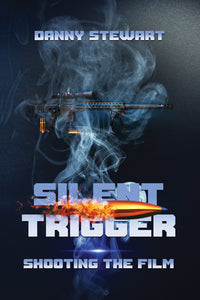
On the surface, Silent Trigger may seem like a cookie-cutter, action hero vehicle for Dolph Lundgren. Not so, as Stewart provides a comprehensive and thoughtful analysis of the finer points of this above-average action/drama. Thanks to Stewart, the work of Aussie-genre film and music video director Russell Mulcahy is seeing a renewed interest. Razorback (1984), Mulcahy’s first feature, was a brilliant niche horror film on the tail end of the “Ozploitation” wave. The director’s Highlander (1986) which is seeing an upcoming reboot, is a cult classic. In Stewart’s book, the author turns readers’ attention to a deftly crafted action film with allegoric overtones by Mulcahy. The plot is relatively mundane, which features a sniper who works for an ominous agency, and who becomes an unlikely target. Despite the banality of the plot, Stewart asserts that Silent Trigger, is a movie that should be remembered, not because it added much to the action genre, but for how quietly and subtly it tells its story.
Stewart explains that Silent Trigger was made on a minimal $9 million budget choosing an approach somewhat like that of classic European noir directors. He goes on to explain that the style of the film is both experimental and simple. The action takes place in a singular building and there are few characters in the film. With this minimal approach, dramatic action is intense and character-driven, yet the action sequences are handled with an agile hand by Mulcahy as Stewart reveals.
Stewart includes incredibly in-depth interviews with Mulcahy and the cast, writers, and crew members which generate new excitement about an otherwise forgotten film. The author examines Silent Trigger from a technical, theoretical, and philosophical perspective. Although this reviewer did not find the film to be as dazzling as Stewart did, the book’s author finds artistic merit in this film, just as he did with another underrated release, Soldier (1998), with Kurt Russell in his other book titled Soldier: From Script to Screen. Stewart’s zeal for genre film seems to drip off each page of this juicy examination of Silent Trigger, wherein, the sum of the film’s parts add up to more than just a 1990s actioner.
Stewart exclaims: “Although Silent Trigger did not become very famous when it came out, the way Mulcahy directed it makes the movie a notable example of thrillers and demonstrates his skill and artistic view.” Stewart’s unique radar for detecting underseen genre films that deserve a wider audience is evident. With a relatively minimal budget, Silent Trigger is more engaging then 70% of the Marvel superhero movies, where big and bombastic is the name of the game. With a particularly keen eye for action, Stewart’s book peels back Mulcahy’s surprisingly layered direction despite some substandard material to work with. The crux of this book is how Mulcahy silently subverts the action vehicle. Stewart says, Silent Trigger is not just a stage for displaying Lundgren’s skills; it is a film that goes deep into the details of its category, doing so with quiet elegance and complexity.”
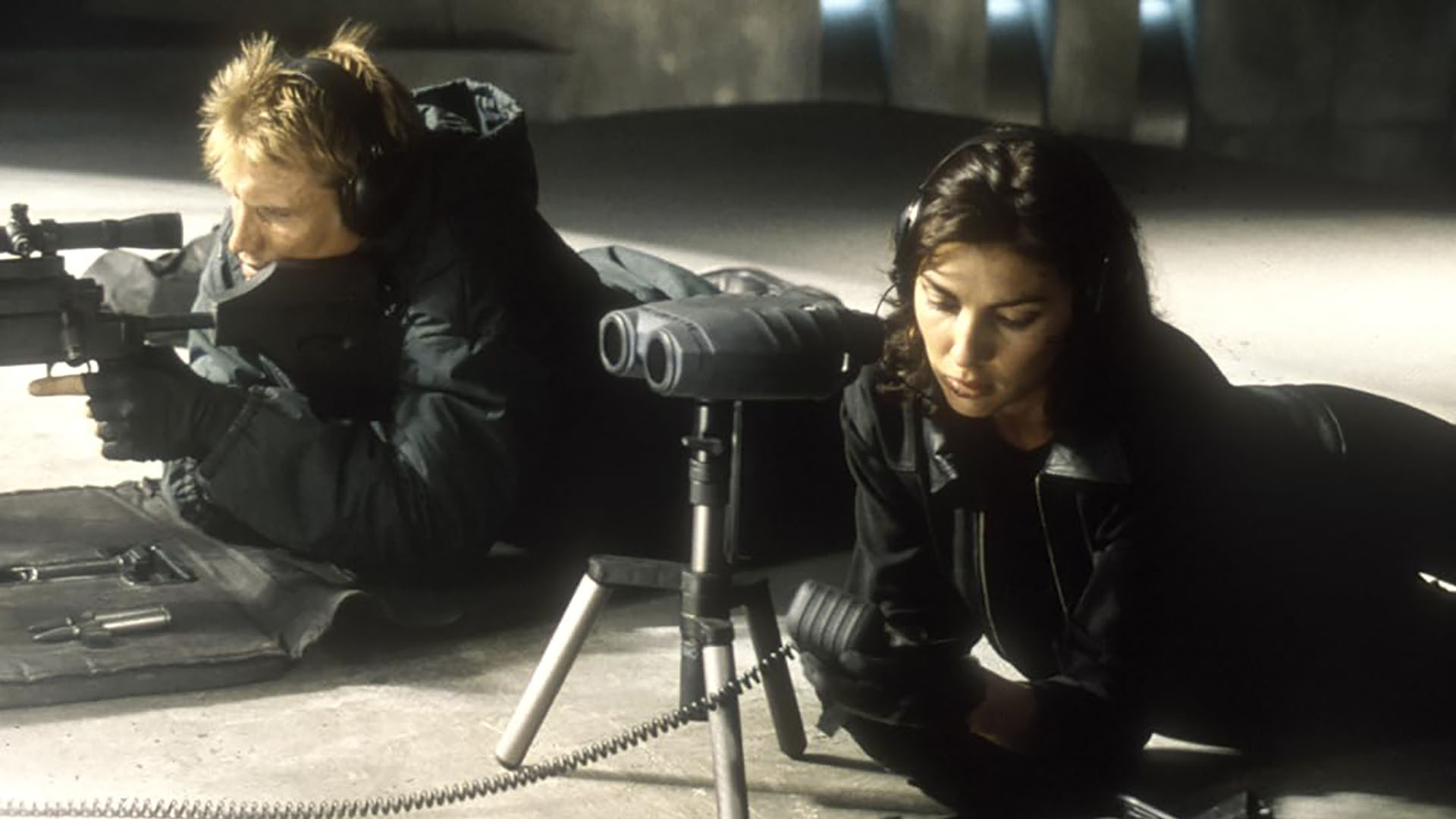
The quintessential action-hero movies were made in the 1980s and then through into the mid-nineties. The market has somewhat shifted from single action heroes to superheroes with the Marvel and DC movie franchises dominating. Also, the introduction of streaming series seems to have also driven central-character driven action films like Silent Trigger away. However, Stewart brings the action stars like Lundgren into central focus with Shooting the Film. Also, worthy of note is Lundgren costar, Gina Bellman who works harmoniously with the lead throughout the film.
Alas, many of the action films of the time-period Stewart discusses in the book appear to have disappeared. It is refreshing to see a return to these old tropes. Shooting the Film not only provides existentialist discussions surrounding the characters in the films, but also provides a unique perspective brought about by rare interviews with key figures in the making of this film. This includes the music of Stefano Mainetti who created a pulsing and exhilarating score, and the cinematography of David Franco, who added additional breadth and depth to the whole look of the film.
If you are interested in forgotten genre cinema, then this book is for you. Stewart ultimately asserts his role as the scribe of long-lost hay-days of the action film. It is especially exhilarating to see a return to the discussion of action movies of the 1990s and Shooting the Film pays an overdue tribute to Malcahy and Lundgren and this underseen film.
William Blick is a literary/crime fiction and film critic, a librarian, and an academic scholar. He is contributing editor to Retreats from Oblivion: The Journal of Noircon and has published work in Senses of Cinema, Film Threat, Cinema Retro, Cineaction, and Film International Online, where he frequently contributes. He is also an Associate Professor/Librarian for Queensborough Community College of CUNY.
Read also: